
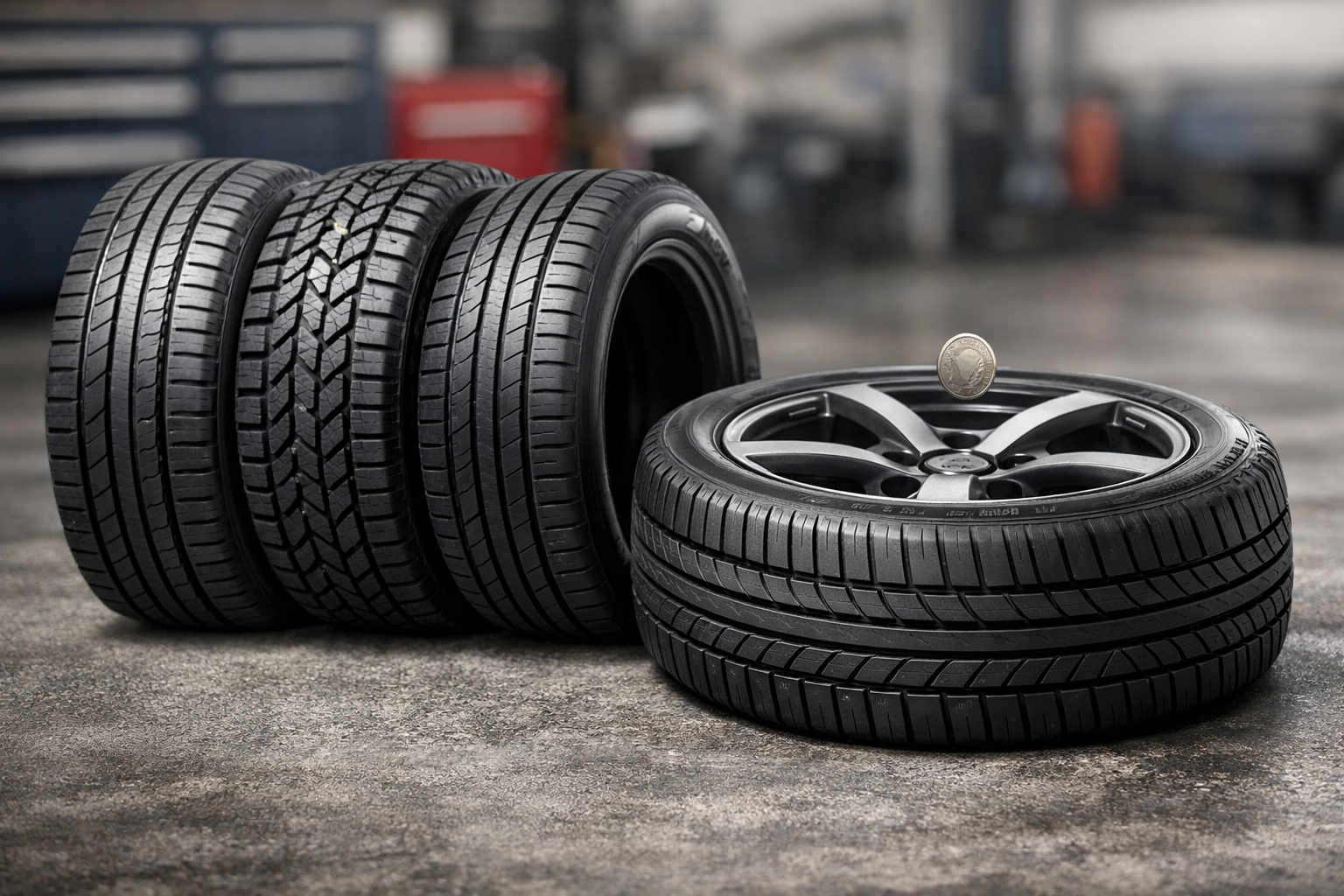
Your car's tyres are the only part of the vehicle that actually touches the road.
Yet many drivers buy tyres based on price, brand popularity, or what the tyre seller recommends without understanding what their car truly needs.
Choosing the wrong tyres can lead to:
• Poor fuel economy
• Reduced safety
• Faster tyre wear
• Uncomfortable driving
The good news is that choosing the right tyres is not complicated once you understand a few basic things.
1. Always Check Your Car’s Recommended Tyre Size
Every car manufacturer recommends a specific tyre size designed for the vehicle’s weight, suspension, and performance.
You can find this information:
• Inside the driver’s door frame
• In the car manual
• On the current tyres
You will usually see numbers like this: 205/55 R16
Here is what it means:
205 – Tyre width in millimeters
55 – Height ratio of the tyre sidewall
R – Radial construction
16 – Wheel diameter in inches
If you choose the wrong size, it can affect braking performance, fuel consumption, and steering control.
2. Understand the Different Types of Tyres
Not all tyres are built for the same purpose.
All-Season Tyres
These are the most common tyres for everyday driving. They provide a balance of comfort, durability, and fuel efficiency.
Performance Tyres
Designed for high-speed stability, better cornering, and stronger grip, but they may wear out faster.
Off-Road or All-Terrain Tyres
Stronger tyres designed for rough roads, mud, gravel, and construction environments.
3. Consider the Road Conditions Where You Drive
Road conditions matter when choosing tyres.
City drivers often need tyres that offer a smooth ride, quiet performance, and fuel efficiency.
Drivers who travel frequently on rough roads may need tyres with stronger sidewalls and deeper tread patterns.
4. Look at the Tyre’s Manufacturing Date
Tyres do not last forever, even if they have never been used.
Check the DOT code on the tyre sidewall. Example: DOT 3223 means the tyre was manufactured in week 32 of the year 2023.
Experts recommend avoiding tyres that are more than 3–4 years old.
5. Check the Tread Pattern
The tread gives the tyre grip on the road.
A good tread pattern helps with braking, wet road performance, and stability.
If the tread becomes too shallow, the tyre becomes dangerous.
6. Choose Tyres Based on Durability, Not Just Price
Many drivers try to buy the cheapest tyres available.
But cheap tyres often wear out faster, reduce safety, and increase long‑term cost.
A slightly more durable tyre may last much longer and save money in the long run.
7. Always Replace Tyres in Pairs
When replacing tyres, it is usually recommended to change at least two tyres at a time.
This helps maintain balanced grip, proper braking, and steering stability.
Final Thoughts
Your tyres affect safety, comfort, fuel efficiency, and vehicle control.
The next time you buy tyres, do not rely only on the seller’s advice. Check the tyre size, manufacturing date, and choose tyres that match your car and the roads you drive on.
A little knowledge can save money, improve safety, and make every journey smoother.
About the Author
Autolabari Auto Hub is building Nigeria’s Automotive Intelligence Platform, helping drivers make smarter decisions about vehicle ownership, maintenance, and safety.